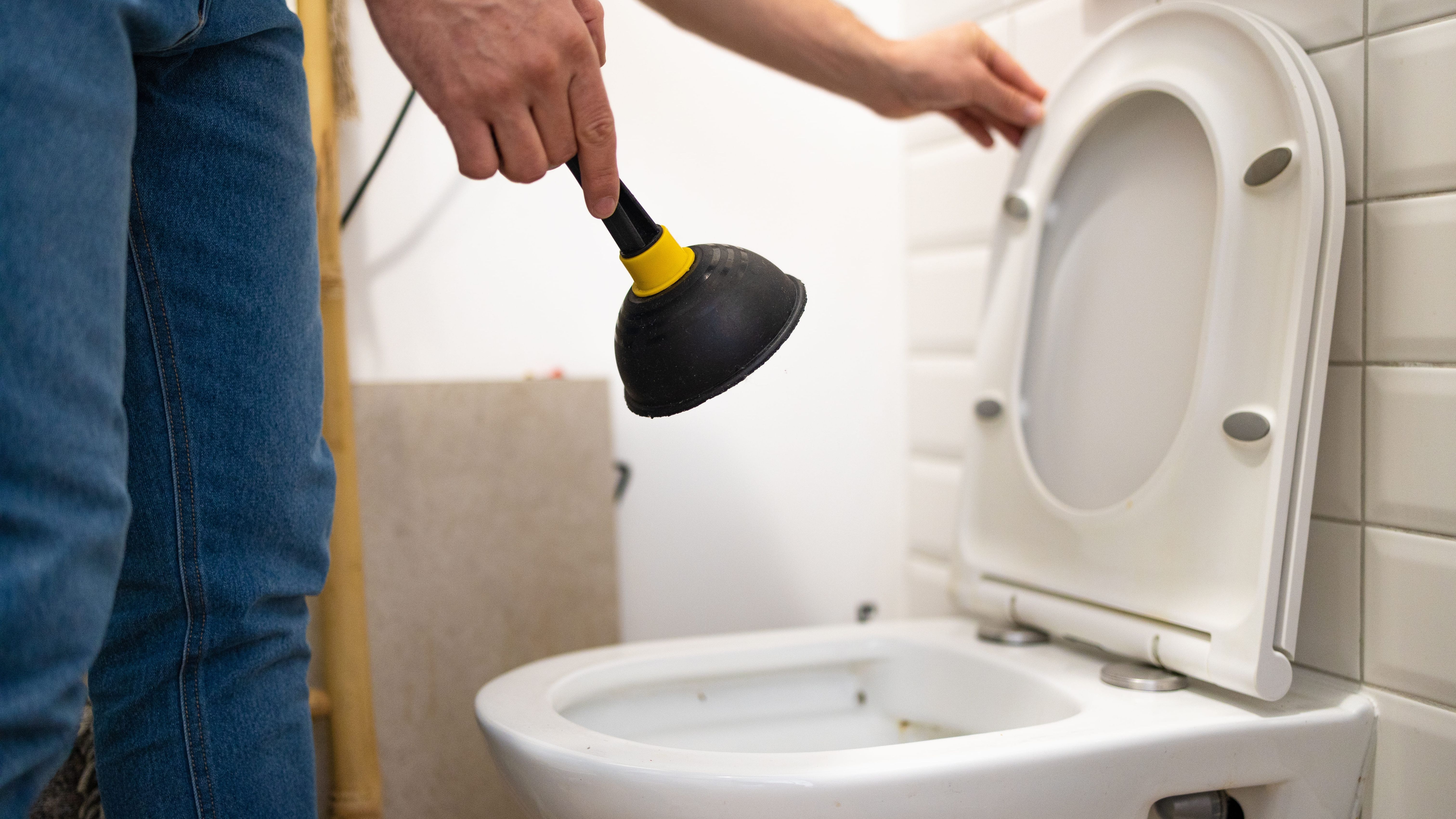
Toilet Won’t Flush? Here’s How to Fix It
Written by
Dan Quinn
Published on
May 16, 2026
Introduction
A toilet that suddenly stops flushing properly is mostly caused by a fault inside the cistern or a blockage in the waste pipes. In many UK homes, especially older properties with hard water buildup, worn toilet parts, and limescale are some of the most common causes.
The good news is that many flushing problems can be fixed without replacing the entire toilet system. Below, we’ll go through some of the most common causes, simple DIY checks, and when it’s time for you to call a professional plumber.
Before attempting to repair, it helps to identify what’s actually causing the issue. A toilet that won’t flush properly is usually linked to one of these problems below:
- A loose or broken flush handle.
- A disconnected or worn flapper/siphon.
- Low water level inside the cistern.
- A blocked toilet pan or waste pipe.
- A faulty fill valve or flush valve.
- Limescale is blocking the rim jets.
In the UK, bathrooms, concealed cisterns, and dual-flush push buttons can also develop flushing issues over time, particularly in hard-water areas such as London and the South East.
Start by removing the cistern lid and checking the flush mechanism inside.
If your toilet uses a traditional lever handle, make sure the handle is still connected securely to the chain or lifting arm in the toilet. Sometimes the chain slips off or becomes too loose, which prevents the flapper or siphon from lifting properly during a flush.
If needed:
- Tighten the handle nut inside the cistern.
- Reattach the chain if it has come loose.
- Adjust the chain length so it lifts smoothly without snagging.
This is one of the quickest toilet repairs and usually takes less than 10 minutes.
Published: May 20, 2026
Updated: May 21, 2026