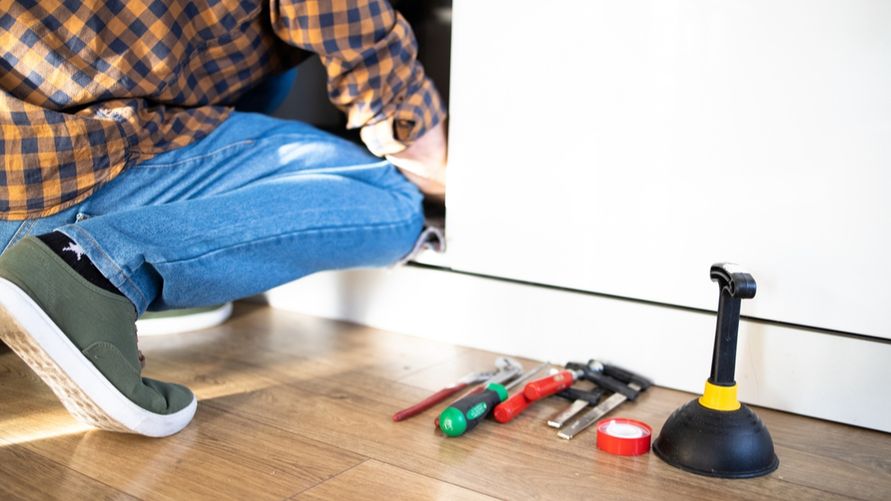
Plumbing DIY: What You Can Fix — and When to Call a Professional (UK Guide)
Written by
Dan Quinn
Published on
June 1, 2026
Introduction
A dripping tap. A slow-draining sink. A radiator that's cold at the top. With thousands of DIY tutorials available online, it's easy to assume every plumbing problem has a quick fix you can handle yourself, and sometimes, that's true. Many minor plumbing jobs can be completed safely with basic tools and a little patience. However, plumbing systems are more interconnected than most homeowners realise. A small mistake can lead to hidden leaks, water damage, mould growth, or expensive repairs that far outweigh the cost of hiring a professional in the first place.
The key is knowing where DIY ends, and professional expertise begins.
In this guide, we'll cover the plumbing jobs most UK homeowners can tackle themselves, the tasks that often go wrong, and the warning signs that it's time to call a qualified plumber.
Modern plumbing systems are designed to deliver clean water efficiently while safely removing wastewater from your property. Behind your walls, beneath your floors, and throughout your home, pipes, valves, appliances, and drainage systems all work together. When one part of the system is altered incorrectly, it can create problems elsewhere.
Common consequences of DIY plumbing mistakes include:
- Hidden water leaks
- Damp and mould growth
- Reduced water pressure
- Damage to walls, ceilings, and flooring
- Higher water bills
- Costly emergency repairs
In some cases, poorly executed plumbing work can even affect home insurance claims if damage results from negligence or incorrect installations.
DIY can save money but only when the job is genuinely within your skill level.
For straightforward maintenance and minor repairs, there's often no need to call a professional.
1. Fixing a Dripping Tap
A constantly dripping tap may seem like a small annoyance, but over time it can waste significant amounts of water and increase utility bills.
In many cases, the cause is a worn washer, O-ring, or cartridge that simply needs replacing.
Before starting:
- Turn off the water supply
- Plug the sink to avoid losing small components
- Take a photo before disassembly to help with reassembly
This is one of the most beginner-friendly plumbing repairs and can often be completed in under an hour.
2. Unblocking a Sink or Shower Drain
Hair, soap residue, grease, and debris are common causes of slow-draining sinks and showers.
You can often resolve the issue by:
- Using a plunger
- Removing visible debris
- Using a drain snake or drain cleaning tool
Avoid relying on harsh chemical drain cleaners as a first option. Repeated use can damage older pipework and may not solve deeper blockages.
3. Replacing a Shower Head
Installing a new shower head is one of the easiest ways to improve water flow and modernise your bathroom.
Most replacements involve:
- Unscrewing the old shower head
- Cleaning the connection
- Fitting the new unit
- Checking for leaks
It's a simple upgrade that requires minimal tools and plumbing knowledge.
4. Bleeding Radiators
If your radiator feels warm at the bottom but cold at the top, trapped air is likely preventing it from heating efficiently.
Bleeding a radiator:
- Improves heating performance
- Helps reduce energy consumption
- Takes only a few minutes
All you'll typically need is a radiator key and a cloth to catch any small drips.
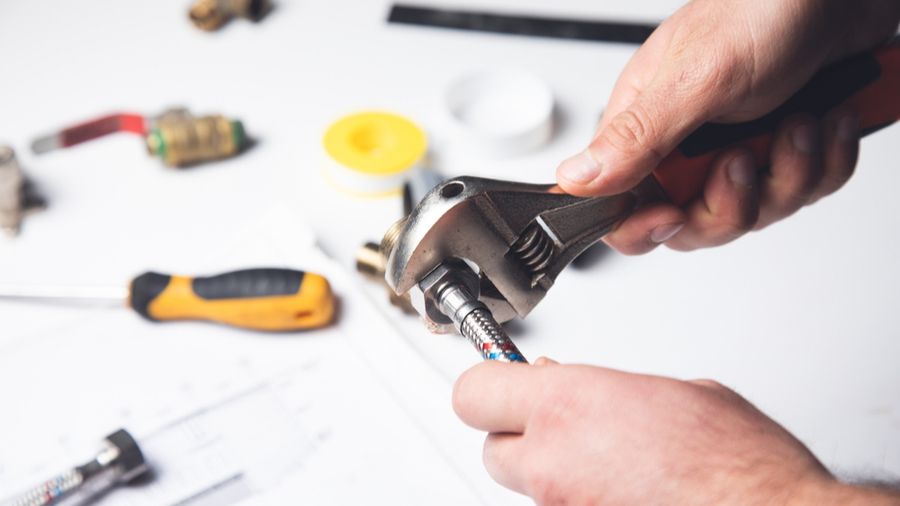
5. Tightening Minor Pipe Connections
A small leak beneath a sink is sometimes caused by a loose compression fitting or trap connection.
A gentle adjustment with the correct spanner may solve the issue.
However, if tightening doesn't stop the leak immediately, avoid forcing the fitting. Over-tightening can cause further damage and make repairs more expensive.
Published: June 1, 2026